Long Friendships
Sending a physical thing does something a message cannot
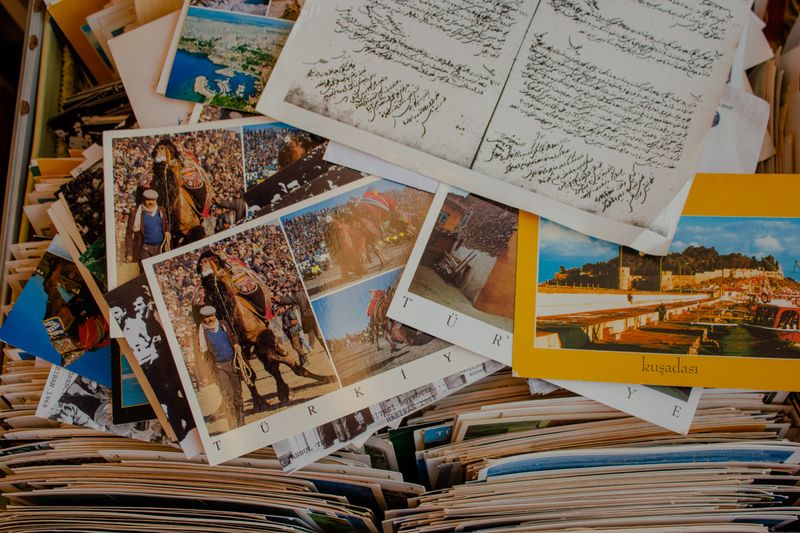
A postcard, a book or a jar of something local occupies space in a friend's house for weeks. A message occupies a screen for four seconds and then it is gone.
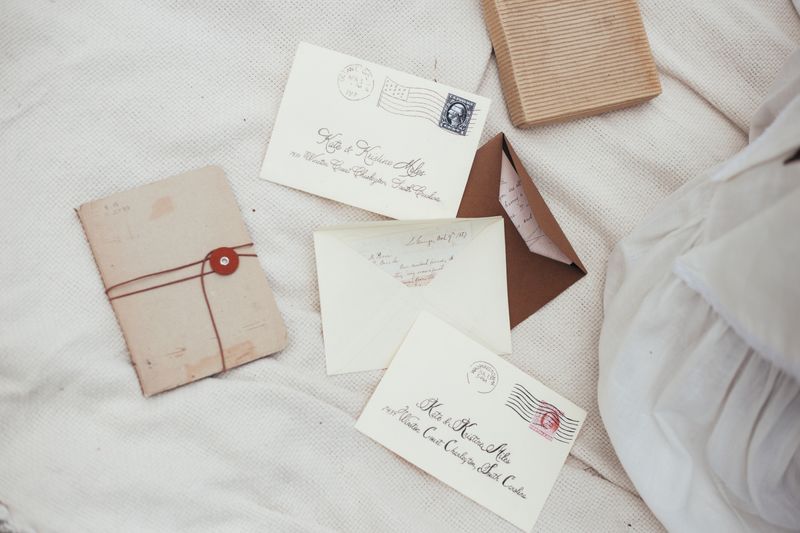
The theory of sending objects to distant friends is well covered elsewhere. This is about the version you meet in practice.
What holds up in practice
- A physical object stays visible long after a message has scrolled away.
- Sending requires no reply, which removes the obligation a message creates.
- Small and specific beats expensive and generic.
Why an object outperforms a message
A message arrives among hundreds of others and disappears from view within hours, which is why a warm one is often forgotten by the next day. A physical object sits on a table, a shelf or a fridge for weeks and is seen repeatedly without either person doing anything further. It also carries evidence of effort, since somebody had to choose it, write something, find a box and take it to a post office.
That effort is legible in a way that a message is not, because everybody knows how long each of the two things takes. The effect is disproportionate to the cost, and small posted items are consistently described as the thing that made somebody feel remembered.
The obligation problem it solves
Messages create a debt, since an unanswered one sits there and the recipient knows they owe a reply they may not have energy for. A posted object creates no such debt, because there is no equivalent expectation of a same-day response and none of the read-receipt pressure. That makes it unusually well suited to friendships where one person is going through a difficult period and cannot manage correspondence.
At the kitchen table, it also suits friendships that have gone quiet, since arriving in somebody's house is a much lighter approach than asking for a conversation. For anybody worried that they are always the one making contact, this is a form of contact that does not add to the other person's list.
What to actually send
Specific beats expensive, and something local, cheap and unavailable where they live carries more meaning than a generic gift of higher value. The strongest choices reference something particular between the two of you, such as a book they mentioned or a food from a place you both know.
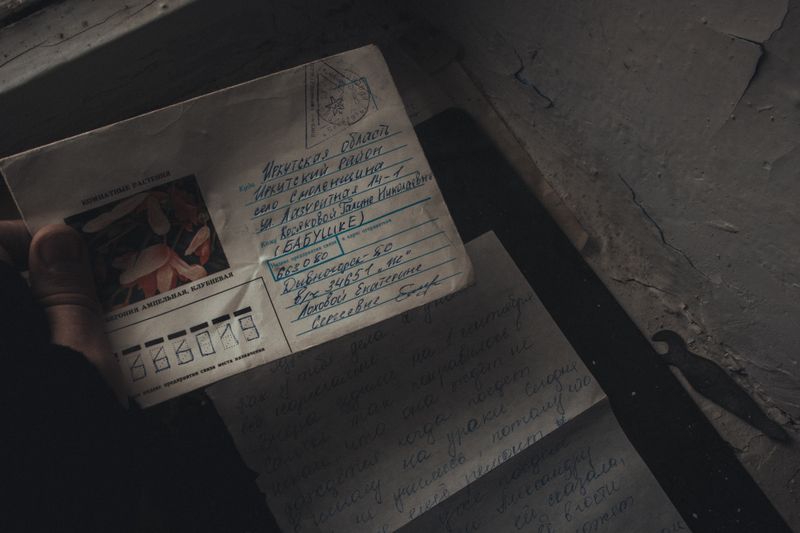
Between old friends, photographs are underrated, and a printed picture from years ago lands harder than the same image sent as an attachment. Perishable and bulky items cause problems, and customs rules for food and plants vary considerably between countries and are worth checking. A note matters more than the object, and two handwritten lines convert an item into a message that stays in the house.
Occasions and the absence of them
Sending on a birthday is pleasant and competes with everything else arriving that week, so the effect is diluted by the occasion. Sending for no reason at all is considerably more powerful, because nothing prompted it and the recipient knows that.
After a falling-out, it works especially well at the flat points of the year, when nothing is happening and nobody is expecting anything to arrive. Anniversaries that nobody else remembers, such as the date you met or a shared event, are a good middle option.
Marking a hard period, such as the anniversary of a bereavement, is one of the most valuable uses of this and is remembered for years.
Making it a habit
One posted item a month, rotated among a handful of distant friends, produces a noticeable difference across a year for very little cost. Keeping a supply of stamps, envelopes and a few small items at home removes the friction that stops most people doing it.
In the long run, picking things up while travelling, and posting them later, spreads the effort and means you are never shopping for a gift under time pressure. Addresses are the practical obstacle, and keeping a current list is dull and is the reason most attempts at this quietly stop. Asking for an address is also a perfectly good way to reopen contact with somebody you have not spoken to in a while.
None of this works if the other person will not meet you, and sometimes they will not.
Where it does not substitute
An object cannot carry a conversation, and using parcels as a way of avoiding a difficult call is a pattern worth noticing in yourself. It also cannot replace presence, particularly during illness, bereavement or a crisis, when what is needed is time rather than a token. For friends in real difficulty, the useful version is practical rather than symbolic, such as food, a paid delivery or something they actually need.
Sending expensive items repeatedly can create discomfort, since the other person may feel obliged to reciprocate at a level they cannot manage. Kept small and occasional, it is one of the cheapest and most reliable ways to hold a friendship across a long distance.
The takeaway
Send something small for no reason at all, because an unprompted parcel in a flat week outperforms anything that arrives on a birthday.
Friendship is largely turning up, repeatedly, when there is no occasion for it.
Questions readers ask
Why does a postcard work better than a message?
Because it stays visible for weeks and carries obvious effort, while a message disappears within hours. It also creates no obligation to reply, which a message always does.
What should I send a friend abroad?
Something small, cheap, specific and unavailable where they live, with two handwritten lines attached. Check customs rules for food and plants, which vary considerably between countries.