Long Friendships
Photographs Hold A Friendship's Record Unevenly
One person in a long friendship usually keeps the images, and that imbalance quietly decides whose account of the shared past becomes the version both people use.
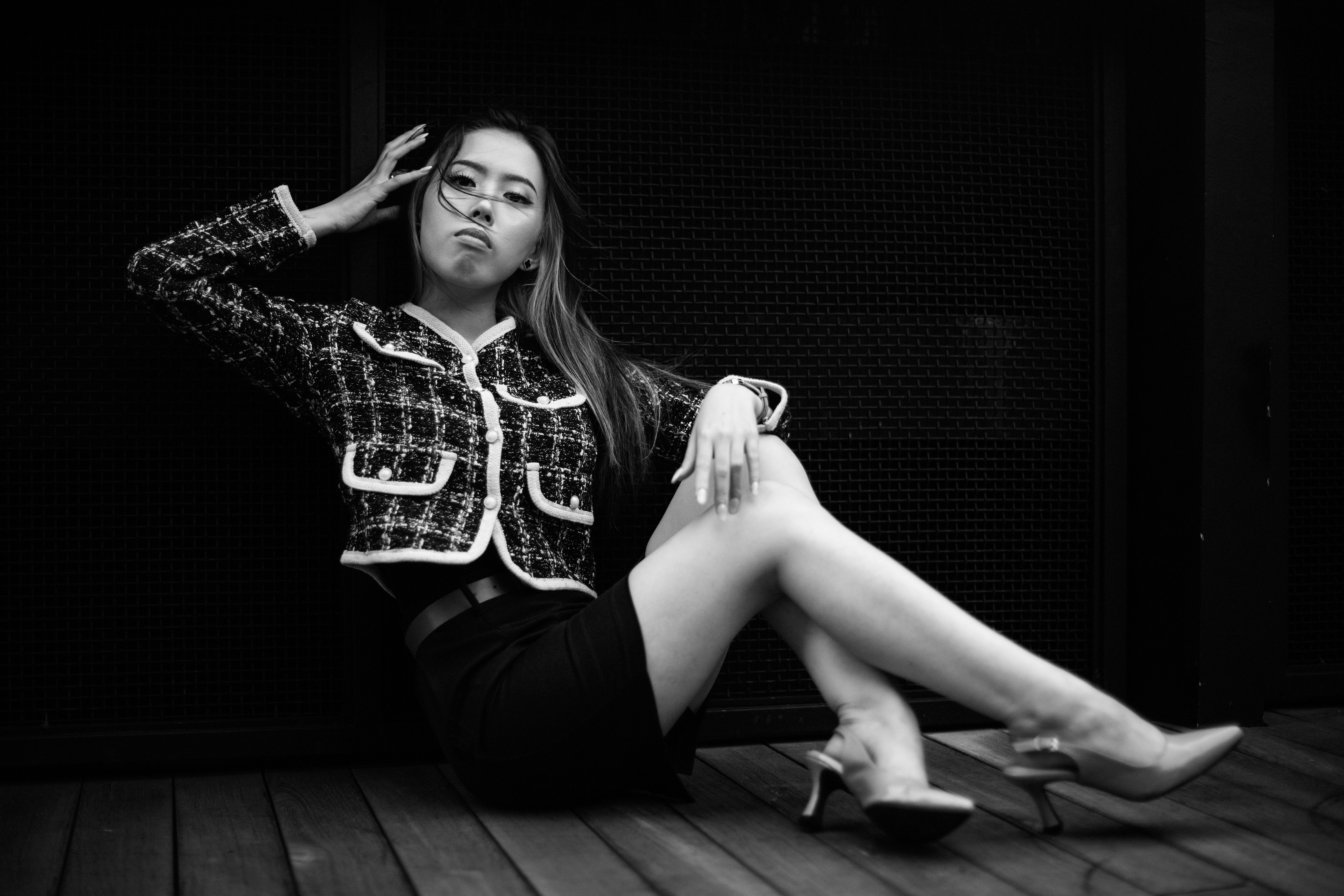
In most long friendships one person takes and keeps the photographs. This looks like a minor habit and it has a lasting effect on how the friendship remembers itself.
Memory drifts and images do not
Recollection of an event reshapes itself with each retelling, gradually converging on whatever version is told most often.
A photograph is fixed. It supplies an unmoving anchor, and where an image exists the memory tends to settle around it rather than around what actually happened.
Over decades this means the record of a friendship is largely made of the moments somebody happened to point a camera at.
The photographer chooses the archive
Whoever takes the pictures decides what gets preserved, usually without deliberation. They photograph what they find worth photographing.
Events that mattered enormously but were not photographed leave no trace, while a minor afternoon that produced three good pictures becomes a fixture of the shared story.
The other person's sense of the friendship's history is therefore shaped by somebody else's incidental preferences.
Being behind the camera removes you from the record
The person taking the photographs appears in very few of them, which produces an archive in which they are consistently absent.
Looking back years later, they can find a complete visual account of a friendship that contains almost no evidence of their own presence in it.
This is a small thing that is felt disproportionately, particularly after a bereavement, when the archive becomes the main remaining record.
Digital archives changed the balance
Photographs are now taken in far greater volume, which ought to distribute the record more evenly, and to some extent it does.
But volume creates its own problem: an archive too large to review is functionally not an archive, and the images that circulate are the handful that were sent at the time.
Sending a picture is what places it in the shared record. Images that stay on one device belong to one person, however many there are.
Why the record matters later
Long friendships lean on their history during the periods when there is little current news to exchange, and the history is easier to reach when it is documented.
An image sent without occasion is a low-effort form of contact that does real maintenance work, because it retrieves a shared episode rather than requesting a conversation.
Friendships where the archive is shared in both directions tend to have more of that material available, and use it more often.
Questions readers ask
Are video calls better than phone calls?
For some people, though many find video more effortful and therefore schedule it less. A call that happens beats a better format that does not.
How do I restart with a friend who moved away five years ago?
Propose a specific call with two suggested times, and skip the apology for the gap. Most people accept, and the first ten minutes are the only awkward part.
Also by Vivaan Talwar
- Voice notes solved a problem that text and email could notLong Friendships
- Annual contact is a real relationship with an honest nameLong Friendships
- The friend with children and the friend withoutLong Friendships
- Weak ties do a job that close friends cannotLoneliness & Belonging