Loneliness & Belonging
Being alone is a skill, and it is not the same as being lonely
Some people are comfortable in their own company and some are not, and the difference is largely practice. What that practice actually consists of.
Everything below about solitude as a practice comes from what actually happens rather than from what is supposed to.
What holds up in practice
- Solitude and loneliness are different states that frequently get confused.
- Tolerance for one's own company appears to improve with deliberate practice.
- Avoiding solitude entirely tends to make company a requirement rather than a pleasure.
The distinction
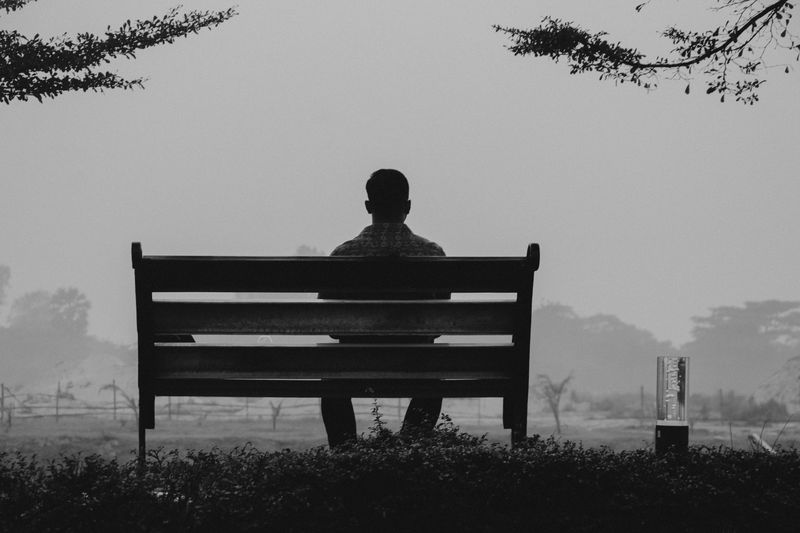
Solitude is a circumstance, being by yourself, while loneliness is a feeling about the gap between the contact you have and the contact you want. The two frequently occur together and are not the same thing, since people can be content alone and miserable in company. Conflating them leads to a specific error, which is treating every hour alone as a problem to be solved by finding somebody.
It also leads people to fill their diaries entirely and then wonder why they feel depleted rather than connected. Separating the two makes it possible to ask what you actually want from a given evening.
What comfort with solitude requires
The main obstacle for most people is that being alone with nothing scheduled brings up whatever they have been avoiding thinking about. Constant company, and increasingly constant media, works as a way of not having that experience, which is understandable and has costs. Tolerance builds with exposure, and people who spend deliberate time alone generally report finding it easier over months rather than days.
Having something to do helps enormously at the start, since unstructured solitude is much harder than solitude with a task. This is a practice rather than a personality trait, though people clearly differ in how much of it they need or enjoy.
Doing it deliberately
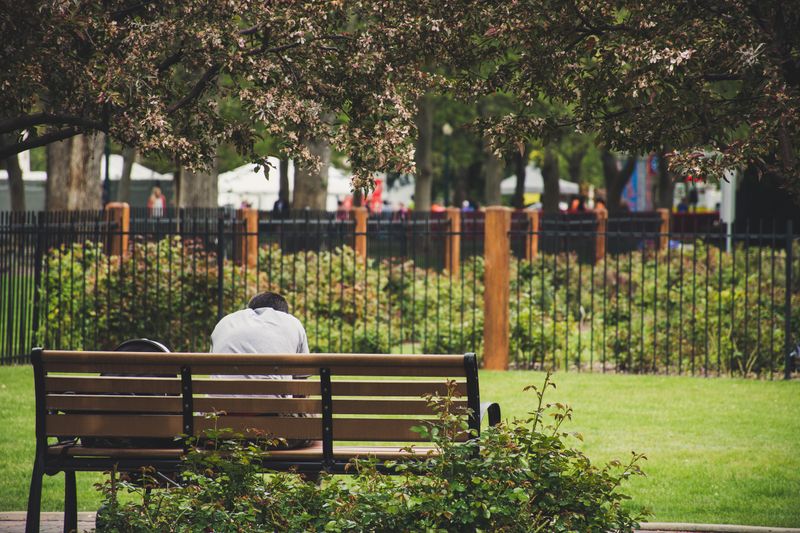
Start with short periods and a specific activity: a walk, a meal out alone, an hour in a cafe with a book rather than a phone. Doing things alone in public is a useful intermediate step, since it supplies incidental human presence without any social demand.
The unglamorous truth is that notice the impulse to reach for a phone, which is usually the point at which the discomfort would otherwise have been felt. Extend gradually, and expect the first several attempts to feel more self-conscious than they will after a month. The aim is not to prefer solitude but to stop needing to avoid it, which is a much lower and more useful bar.
What it buys you
People comfortable alone are less dependent on any single relationship, which tends to make those relationships better rather than worse. They can also tolerate periods when circumstances remove company, a move, an illness, a bereavement, without the loss becoming acute.
Choosing company from a position of contentment produces different decisions than choosing it from a position of dread. It also allows the unpopular but useful experience of thinking about your own life without interruption.
None of this requires anybody to become solitary, and the useful state is being able to do both.
Where the advice gets misapplied
Telling a lonely person to enjoy their own company is unhelpful and often lands as a suggestion that their need for others is a defect. There is a strand of popular writing that treats self-sufficiency as an achievement and needing people as a weakness, which is not supported by much of anything.
At the kitchen table, humans are social animals and sustained isolation is associated with poor outcomes, so solitude is a skill for managing time alone rather than a lifestyle to aim at. Some people genuinely need much less company than others, and that variation is real and not a problem to be corrected. The distinction is whether solitude is chosen and bounded or imposed and open-ended.
None of this works if the other person will not meet you, and sometimes they will not.
When aloneness is the wrong thing to practise
If time alone is being used to avoid people because contact has become frightening, more solitude will reinforce the avoidance. Withdrawal that has been increasing steadily over months is a pattern worth taking to a doctor rather than reframing as a preference.
Between old friends, long-term isolation is associated with worse physical and mental health, which is a reason to take a shrinking social world seriously. The useful question is whether you could have company if you wanted it, since chosen solitude and unchosen isolation feel similar from outside. Where the answer is no, that is a situation worth getting help with rather than adapting to.
The takeaway
Practise being alone on purpose in small doses, so that when it is not a choice you already know how to do it.
Friendship is largely turning up, repeatedly, when there is no occasion for it.
Questions readers ask
Is wanting a lot of time alone unusual?
The amount people need varies widely and there is no correct level. What matters is whether it is chosen and whether you could have company if you wanted it.
Why do I find an empty evening uncomfortable?
Usually because unstructured time is when unattended thoughts arrive. Starting with solitude that has an activity attached makes it considerably easier.