Loneliness & Belonging
Eating alone in public is a smaller thing than it feels
The barrier to doing things alone is almost entirely the imagined audience. Removing that one belief opens up a large amount of ordinary life.

There is a settled way of talking about doing things alone in public. It is worth asking how much of it survives contact with the detail.
The argument in brief
- People notice a lone diner far less than the lone diner assumes.
- Avoiding solo outings shrinks a life faster than loneliness itself does.
- Going alone repeatedly is what removes the discomfort.
The imagined audience
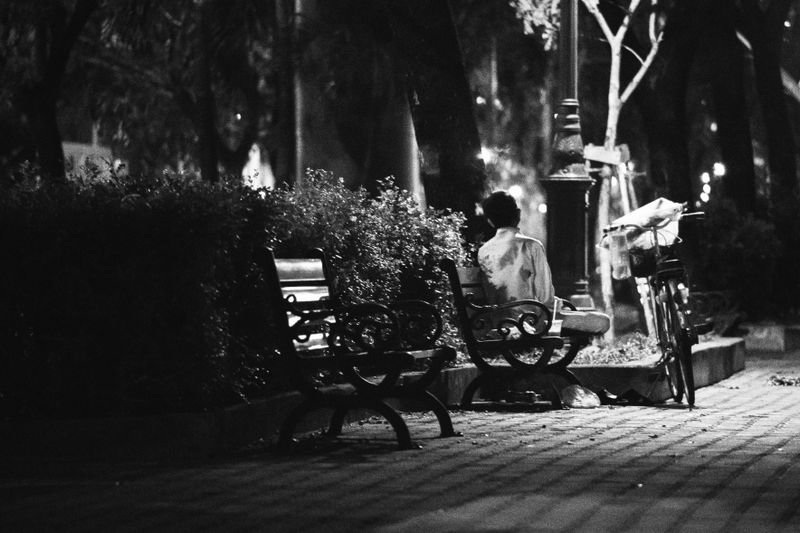
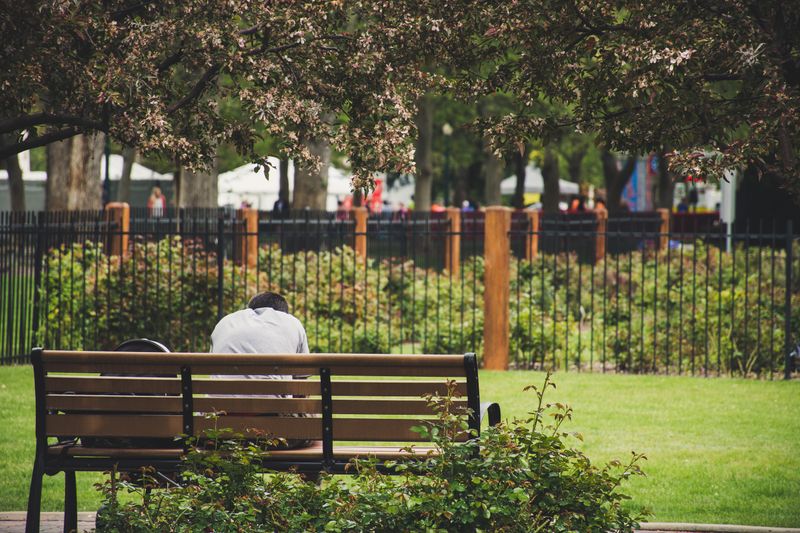
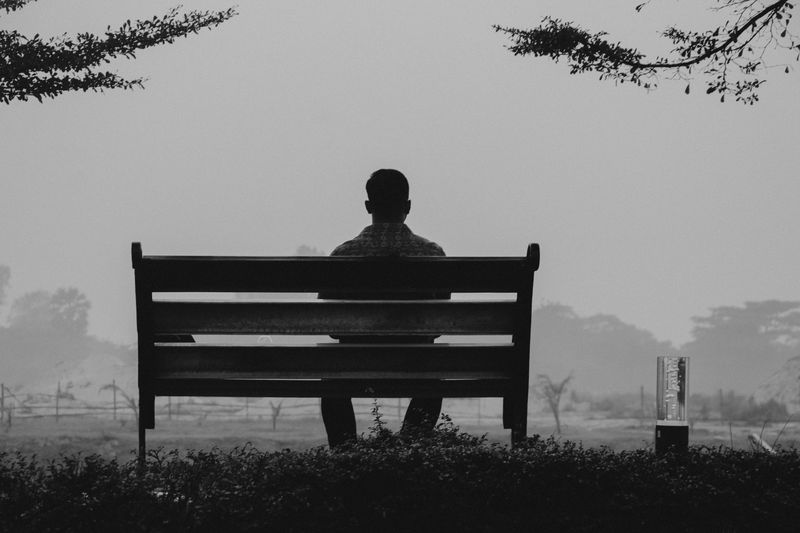
Most of the discomfort of eating alone comes from a belief that other people are noticing and forming a conclusion about why you are by yourself. In practice the people in a restaurant are attending to their own conversations, their own food and their own phones, and the attention available is small.
The feeling is nonetheless real, and telling somebody that nobody is looking rarely helps because the sensation does not respond to argument. What does help is testing it, since a few occasions produce direct evidence that nothing happens, which no amount of reassurance can supply. The belief is also asymmetric, because almost nobody looks at another lone diner and reaches the conclusion they fear is being reached about them.
What it costs to avoid
Declining to do things alone removes a substantial category of ordinary life, including restaurants, cinemas, concerts, travel, galleries and simply sitting somewhere pleasant. The restriction compounds, because a person who will not go alone can only do these things when somebody else is available and willing. That dependency quietly shapes a life around other people's schedules and makes an unaccompanied period feel like a suspension of living.
It is particularly costly after a bereavement, a separation or a move, which are exactly the periods when the capacity is most needed. The avoidance also strengthens itself, since each declined outing confirms the sense that these are things one does not do alone.
The practical version
Starting with a low-stakes setting works better than an ambitious one, so a cafe at a quiet hour is a more sensible beginning than a formal dinner. Bringing something to read or do provides an anchor, though it is worth eventually trying without one to discover that the anchor was not necessary. Sitting where you can see the room is generally more comfortable than a corner, since a view of activity is less exposing than a wall.
In the long run, booking in advance and arriving with a plan removes the moment at the door that most people find hardest. The discomfort typically drops sharply after the first few minutes, which is why the door is the thing to get past rather than the meal.
Travel and events alone
Solo travel and solo attendance at events raise the same problem in a larger form, with the added complication of unfamiliar surroundings. Structured activities help considerably, because a tour, a class or a fixed seat supplies both a purpose and a socially legible reason for being there.
After a falling-out, events with a shared focus are easier than open social occasions, since everybody is facing the same direction and conversation is optional. Practical safety planning is sensible rather than anxious, and telling somebody your itinerary costs nothing and removes a background worry.
Many people discover that solo attendance produces more conversation than going with somebody, because a pair is a closed unit and one person is approachable.
Where the feeling comes from
Some of it is cultural, and the acceptability of eating alone varies considerably between countries and between kinds of establishment. Some of it is personal history, particularly for anybody who has been conspicuously alone at a point when they did not want to be. For a smaller number of people the discomfort is severe enough to affect work, study or ordinary errands, and that is worth discussing with a doctor.
Distinguishing ordinary self-consciousness from something that is genuinely restricting your life is the useful judgement here. Ordinary self-consciousness responds well to repetition, and something more persistent usually responds better to proper support than to willpower.
If a relationship has stopped feeling safe rather than merely difficult, that needs more than an article.
What it changes
The capacity to do things alone converts a great deal of dead time into usable time, which matters most during periods when your circle is thin. It also removes a hidden pressure from friendships, since somebody who cannot go alone has more riding on each invitation being accepted.
At the kitchen table, there is a quieter benefit, which is that going somewhere without a companion means paying attention to the place rather than to a conversation. People who travel or eat alone regularly usually describe it as unremarkable within a short time, which is what the first few attempts are buying. None of this is an argument against company, and the point is having both available rather than replacing one with the other.
The takeaway
Test the belief rather than arguing with it, because two or three ordinary attempts supply evidence that no amount of reassurance can.
Friendship is largely turning up, repeatedly, when there is no occasion for it.
Questions readers ask
Does anyone actually notice someone eating alone?
Far less than the person assumes. The discomfort is real, but it responds to evidence rather than to reassurance, which is why a few low-stakes attempts work better than being told nobody is looking.
What is the easiest way to start?
A cafe at a quiet hour, booked in advance, sitting where you can see the room. The door is the hard part, not the meal, and the discomfort usually drops within minutes.
Also by Anushka Grover
- An apology has parts, and most attempts leave one outRepair & Conflict
- Loneliness behaves like hunger, and that is the useful partLoneliness & Belonging
- Being new to a group and the months before you are counted inLoneliness & Belonging
- Repair is available when resolution is notRepair & Conflict