Loneliness & Belonging
Working Nights Puts You On A Different Social Calendar
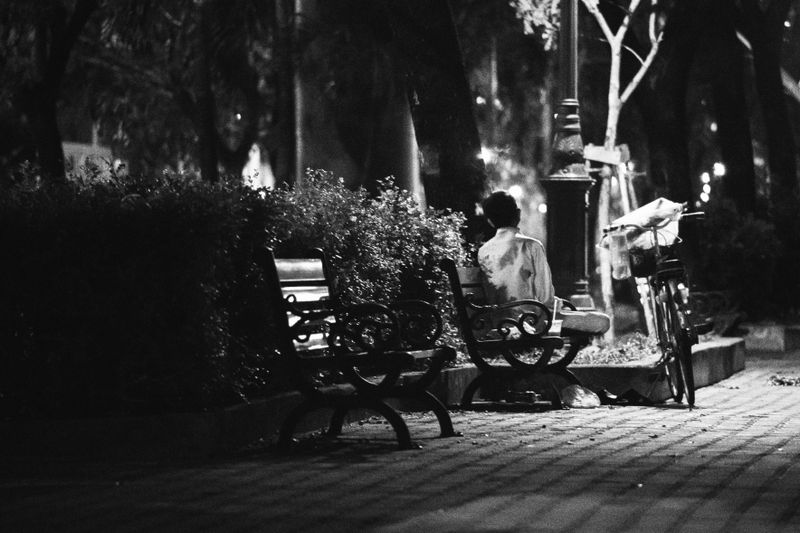
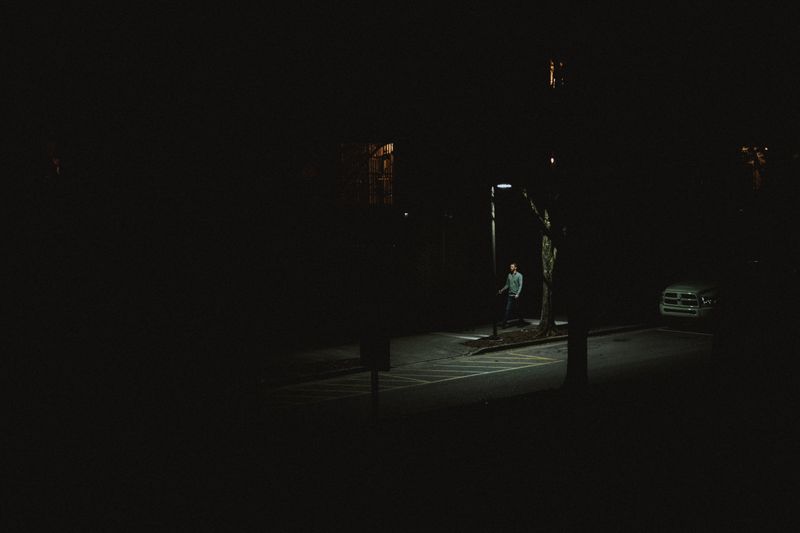
Night work does not reduce free time so much as relocate it, and the isolation comes from holding hours that almost nobody else you know is awake for.

People who work nights often describe a social life that thinned out without any decision being made. The cause is scheduling rather than willingness, and it compounds quietly.
Free time only counts if it overlaps
A night worker may have as many free hours as anyone else. What they lack is overlap, because their free hours fall when the people they would spend them with are asleep or at work.
Socialising requires two calendars to intersect. Time that intersects with nobody is functionally not social time at all, however much of it there is.
This is why the loss is invisible on paper. Nothing about the contract looks isolating until you try to arrange something on a Wednesday morning.
The invitations stop arriving
Early on, a night worker declines several invitations for scheduling reasons. Each refusal is understood and none of them causes offence.
But invitations are issued partly on the basis of expected acceptance. After a run of unavoidable declines, people stop including somebody by default, not out of resentment but out of a reasonable prediction.
The person is then outside the loop, and being outside the loop is self-sustaining because they no longer hear about the plans early enough to rearrange anything.
Sleep debt does the rest
Attending a daytime event usually costs a night worker sleep, so every social act carries a price that other people do not pay.
That price is paid in advance and felt afterwards, which makes marginal invitations easy to refuse. The event has to be worth a bad shift, and most ordinary meet-ups are not.
Persistent disrupted sleep also affects mood and appetite for company, which is a medical matter as much as a social one and worth raising with a doctor if it becomes chronic.
A parallel social world exists
Night shifts do generate their own relationships. Colleagues on the same rota share hours, breaks and a working rhythm, and those friendships form quickly because the overlap is total.
They are also fragile in a specific way. When somebody moves to days or changes employer, the overlap disappears completely rather than reducing, and the friendship usually has nothing else holding it up.
Recognising that in advance is the difference between a circle that survives a rota change and one that evaporates with it.
What holds up over time
Relationships that survive night work tend to be the ones converted to asynchronous contact, where messages and voice notes are left rather than calls attempted.
Fixed rituals help more than spontaneity. A standing arrangement on a known day off is defensible against a rota; a vague intention to catch up is not.
The other durable pattern is a daytime commitment that other night workers also keep, which restores the overlap rather than working around its absence.
Questions readers ask
Is wanting a lot of time alone unusual?
The amount people need varies widely and there is no correct level. What matters is whether it is chosen and whether you could have company if you wanted it.
Why do I find an empty evening uncomfortable?
Usually because unstructured time is when unattended thoughts arrive. Starting with solitude that has an activity attached makes it considerably easier.