Long Friendships
A very old friendship is partly a relationship with your own past
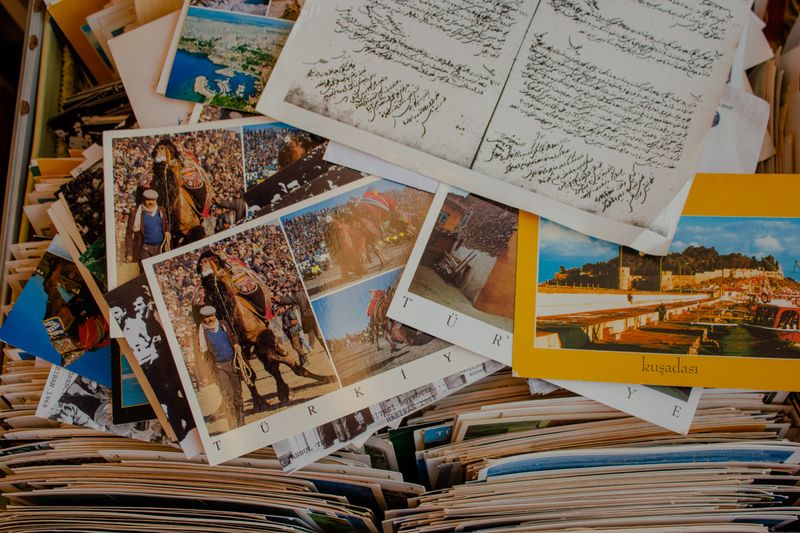
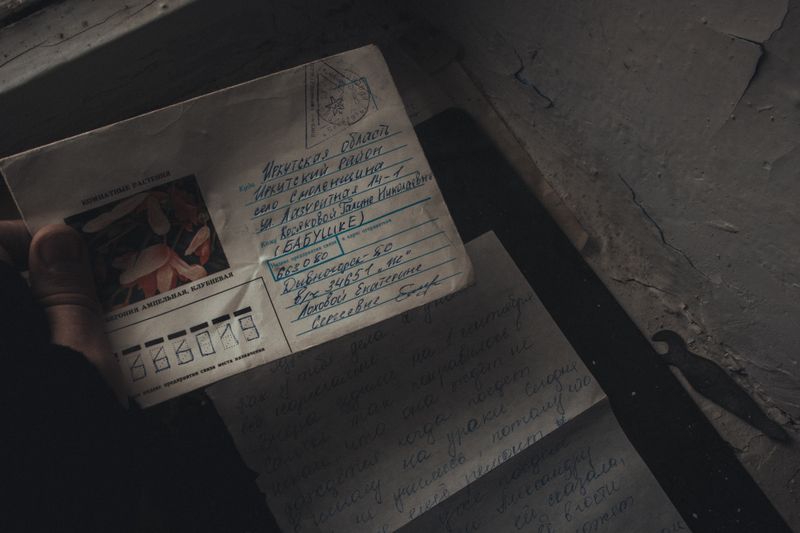
Somebody who has known you for thirty years is holding a record nobody else has. That is a real asset, and it explains why losing one of these feels disproportionate.

Most explanations of old friendships as a record of your life stop at the point where it starts to matter. This one carries on.
The short version
- Long friends hold evidence about your life that you cannot reconstruct alone.
- The loss of one removes a witness as well as a friend.
- The record is only useful if it gets used rather than merely reminisced over.
What a long friend actually holds
Somebody who has known you for decades holds a version of your life that is independent of the account you have assembled about yourself. They remember the flat, the argument, the job you have edited out and the reason you left a place you now describe differently.
Memory is reconstructive rather than archival, so a second witness is genuinely useful and not merely sentimental. That is why old friends can say things nobody else can, including that you were happier than you now remember or unhappier than you claim. The value of this rises with age, as the number of people who knew any particular period of your life steadily falls.
Why losing one hits so hard
When a very old friend dies or the friendship ends, the loss includes a portion of the record that cannot be reconstructed from anywhere else. People describe it as losing access to a decade, which is an accurate description rather than an exaggeration of the feeling.
After a falling-out, it is particularly acute where the friend knew your family, since they hold a picture of people who are also gone. That is one reason grief for an old friend can be surprisingly heavy even when contact had thinned to almost nothing. Bereavement services and counsellors take the death of a long friend seriously, and it is worth using them rather than ranking your own grief.
The trap of the reminiscence loop
Old friendships can settle into a fixed set of stories that get retold in the same order at every meeting, which is pleasant and produces nothing new. The loop is comfortable precisely because it requires nothing current from either person, so it survives even when the friendship has thinned considerably. It also gives a false impression of closeness, since a warm evening of shared history can contain no information about either present life.
Breaking it takes one deliberate question about now, and most people are relieved to be asked something that is not about the past. The test of a long friendship is whether it can carry a current problem, and the loop quietly ensures it never has to.
Using the record deliberately
Old friends are unusually useful when you are trying to work out whether something is a pattern or a one-off in your own behaviour. Asking directly, and asking somebody to be honest rather than kind, produces information that no amount of self-examination will supply.
At the kitchen table, they are equally useful for the opposite, since somebody who watched you get through something before can tell you what you actually did. This works only if the friendship has been kept current, because a friend running a twenty-year-old model will answer about a person you no longer are.
It is worth being that resource for them too, and offering the observation once rather than repeatedly is what keeps it welcome.
When the past is the only thing left
Some long friendships have nothing current in common, and they persist because ending them would feel like discarding a portion of your own history. That is a legitimate reason to keep one, provided both people understand what the friendship is and neither is waiting for it to become something else. The workable form is usually low frequency and a fixed occasion, which is honest about what it is rather than pretending to an intimacy that has gone.
At the kitchen table, where it has become an obligation that neither party enjoys, reducing it to an annual contact is kinder than a series of cancelled plans. Nobody has to end a friendship because it has changed shape, and nobody has to maintain one at a level that has stopped making sense.
Adding to the record while you can
The record only extends if the friendship keeps acquiring new material, which means doing things together rather than only recalling things. One new shared experience a year, however small, gives a long friendship something recent to hold alongside the archive.
The unglamorous truth is that photographs and messages are worth keeping for the same reason, since the details go quickly and the record is thinner than people assume. It is also worth telling an old friend explicitly what they have been, since these things are frequently left unsaid until a funeral. The friendships that carry people through later life are usually the ones that kept adding for decades rather than living off the first ten years.
The takeaway
Keep adding new material to a long friendship, because the archive stops being useful once the model of you inside it goes out of date.
Nobody keeps everyone. Choose the few and be serious about them.
Questions readers ask
Why does losing an old friend feel worse than the amount of contact suggests?
Because the loss includes part of the record. They held evidence about periods of your life that cannot be reconstructed, which is why people describe it as losing access to a decade.
How do I stop an old friendship becoming only reminiscence?
Ask one deliberate question about the present. The loop is comfortable because it requires nothing current, which quietly ensures the friendship never has to carry anything real.
Also by Vivaan Talwar
- A friendship that survives a move has been converted into a different formatLong Friendships
- Voice notes solved a problem that text and email could notLong Friendships
- Annual contact is a real relationship with an honest nameLong Friendships
- The friend with children and the friend withoutLong Friendships