Family Ties
Chosen family is not a metaphor, it is a set of obligations
The phrase gets used loosely for close friends. What distinguishes a genuine chosen family is the presence of duties nobody can walk away from casually.
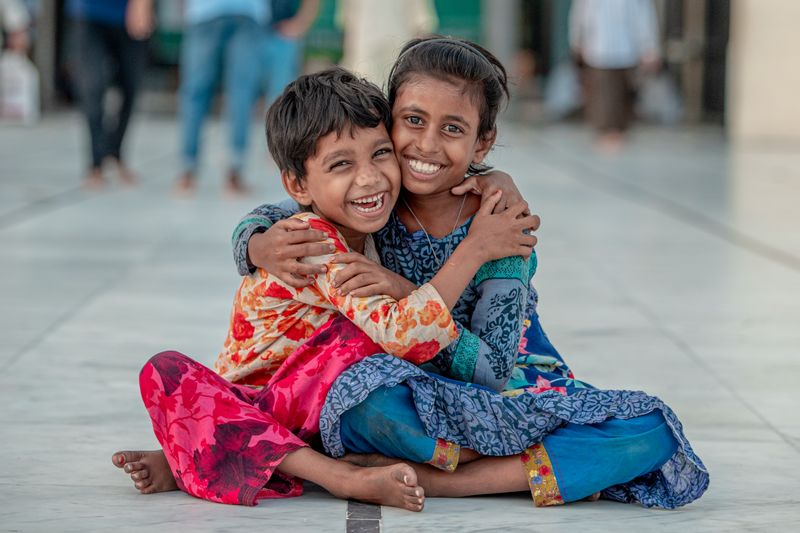
This works through chosen family in the order the parts actually depend on each other.
The short version
- What makes a relationship familial is obligation rather than affection.
- Chosen families lack legal recognition, which has practical consequences.
- The arrangement needs explicit agreements where a legal family has defaults.
What separates it from close friendship
The phrase chosen family is often applied to any group of close friends, which drains it of the thing that makes it meaningful. What distinguishes a family relationship is not warmth but obligation: the assumption that you will turn up regardless of whether it is convenient. That includes the unglamorous parts, hospital visits, moving house, funerals, difficult phone calls and the long dull stretches of somebody's bad year.
A group of friends who see each other socially and drift when one of them becomes difficult is a friendship group, which is a fine thing to be. The distinction matters because people rely on the label and then discover the obligations were never actually agreed.
Who builds one and why
Chosen families are common among people whose birth families are absent, hostile or unsafe, and among those far from where they grew up. They are particularly established among people rejected by their families for who they are, where the arrangement has a long and well-documented history.
The unglamorous truth is that others build them after a bereavement, a divorce or a migration removes the structure they previously relied on. Some people simply find that the people they would choose are better suited to the role than the people they are related to. None of these routes requires the birth family to have been terrible, though many of them involve exactly that.
The obligations that make it work
The functional test is whether people show up for the tedious and expensive things rather than only for the pleasant ones. It also requires the relationship to survive conflict, since families are distinguished partly by being difficult to leave. Practical interdependence, keys, emergency contacts, lending money, looking after each other's children or pets, is what converts affection into structure.
Somebody has to do the coordinating work, and chosen families run into the same unpaid administrator problem that birth families do. These obligations are more robust when they have been discussed explicitly, since nothing in the arrangement is assumed by default.
Where the law does not follow
Legal systems in most countries recognise blood relatives and spouses, and make almost no provision for a chosen family. This shows up sharply at hospitals, where next of kin conventions can exclude the people who actually know the patient. It also matters for inheritance, for decisions about care, for funeral arrangements and sometimes for leave from work.
The rules vary enormously between countries and regions, so anybody relying on a chosen family should find out how theirs works.
Where it matters, documents such as a will, a power of attorney or a nominated contact can close some of the gap, and taking local legal advice is worth the cost.
Managing the two families
Many people have both a birth family and a chosen one, and the two rarely coexist without some friction. Birth relatives sometimes read the arrangement as a rejection, particularly when a chosen family is present at occasions they consider theirs. Being explicit about who is involved in what, rather than managing it by avoidance, generally produces less conflict over time.
Across a decade, it also helps to accept that the two groups may never mix, and that keeping them separate is a legitimate arrangement rather than a failure. Loyalty demands from either side are worth resisting, since a person can reasonably belong to more than one family at once.
Keeping one going
Chosen families require the same maintenance as any other structure, and they are more fragile because none of the defaults are automatic. Fixed occasions do disproportionate work here, since a group with a standing arrangement survives periods when nobody has energy to organise anything. It is worth being explicit about what people can expect from each other, particularly around crises, money and time.
The unglamorous truth is that expect the group to change, as relationships, moves and children reshape any group of adults over a decade. The ones that last tend to have survived at least one serious conflict, which is the same test that applies to any family.
The takeaway
Affection makes a friendship; obligation makes a family, and only one of those has to be agreed out loud.
Friendship is largely turning up, repeatedly, when there is no occasion for it.
Questions readers ask
Is calling my friends chosen family overstating it?
Only if the obligations are not there. The distinguishing feature is whether people turn up for the difficult and boring things, not how close you feel.
What can I do about hospitals not recognising my chosen family?
Rules vary by country. Look into nominating a contact, recording your wishes and, where relevant, a power of attorney. Local legal advice is worth getting before it is needed.